January 16, 2024
Roadside drug testing
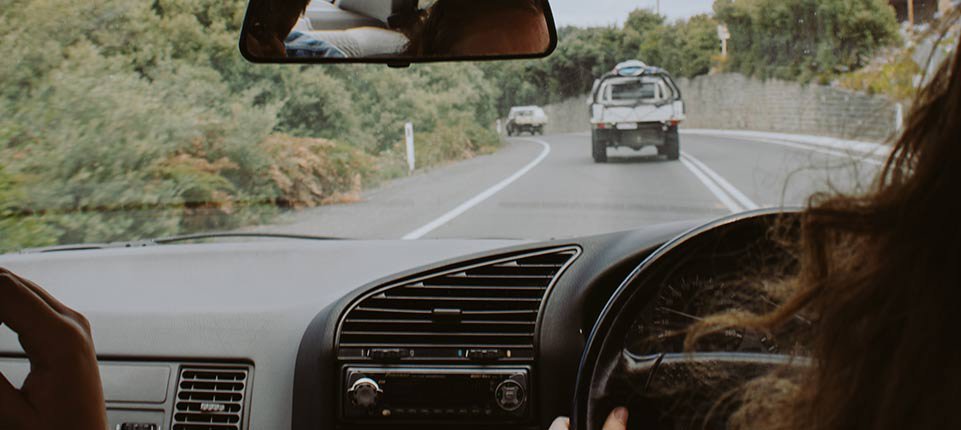
Driving safely requires full attention.
We need to be mentally alert, able to see clearly and have good coordination - this allows us to react quickly when the unexpected happens.
Alcohol, or drugs, affect the brain, reducing your ability to drive safely.
It’s illegal to drive with a blood alcohol level over 0.05, or under the influence of other drugs.
If you’ve been drinking or taking drugs, it’s difficult to know how much your driving skills have been impacted.
In fact, alcohol and other drugs can remain in your system for longer than you think.
If you have alcohol or drugs in the evening, it may not be safe to drive in the morning. Even if you no longer feel affected, a roadside test could return positive.1
Also, remember that fatigue, hangovers or come-downs from drugs can affect your driving skills.1
If you intend to drive, the safest option is to avoid alcohol or other drugs. This includes some prescription medications that can impact your driving. You can talk to your GP or pharmacist to learn more about the effects of prescribed medication.
Most of us are familiar with how roadside breath testing works – but you may be less familiar with roadside drug testing.
Here we explain, as an example, how Victorian driver drug testing works and talk you through the steps you can take to stay safe. (Note: each state/territory can vary in how they conduct roadside drug tests, but the implications are the same.)
If you want to know more about roadside drug testing in your state/territory, contact your relevant road authority.
What is drug testing?
Drug testing looks for traces of drugs in the body using samples of urine, breath, hair, saliva or sweat.
Testing may be used to detect illegal drugs, as well as legal drugs not permitted while driving, or in specific workplaces or sports.
Passing a drug test may mean that either the drug is no longer in your body, or that the test can’t detect any remaining traces.
Types of drug tests
Saliva tests
Random roadside drug testing uses saliva samples to detect illicit drugs.3
You can be tested by any Victorian Police officer – including motorcycle, highway patrol and unmarked vehicles.
The officer takes a sample of your saliva by placing an absorbent collector in the mouth or on the tongue for a few seconds. The sample is then analysed at the roadside, which takes around three minutes. If the test is positive, it must be confirmed by laboratory testing before charges can be laid.2
Roadside saliva tests can detect drugs that contain:
- THC (Delta-9 tetrahydrocannabinol): the psychoactive component in cannabis that gives people a ‘high’
- methamphetamine: found in drugs such as ’speed’, ’base’, ‘ice’ and ‘crystal meth’
- MDMA: also commonly known as ecstasy.2
What about drugs that aren’t detected by the roadside test?
If the police believe you’re impaired by a drug that can’t be detected in a roadside test, they may ask you to complete a standard impairment test. This involves assessing a person’s balance, coordination, and overall behaviour.2, 3
After the assessment, police can ask for a blood or urine test to determine if a person has drugs in their system.3
In Victoria, there are different drug driving offences a person can be charged with, and the penalties may vary.
To find out more about drug driving offences and penalties visit Victoria Legal Aid or VicRoads.
If you want to know more about medications and roadside drug tests, contact VicRoads (or if you’re in another state or territory, contact your relevant road authority), or ask your GP or pharmacist.
How long can drugs be detected in the roadside test?
Whether or not you have a positive test will depend on a variety of factors including how much you’ve taken, the potency of the dose, other drugs you may have used at the same time, and your body's metabolism.
- Cannabis: random roadside saliva tests can detect THC (the active ingredient in cannabis) for around 12 hours after use in people who use cannabis infrequently or ‘recreationally’.4 For people who frequently use cannabis, THC can usually be detected for around 30 hours.4 It’s important for people who use cannabis frequently to know that THC can be found in urine samples for around a month after cannabis was last used. This is because the body stores THC in fat cells for a period of time.4, 5
- Methamphetamine: may be detected in saliva for around two days after use.6 When withdrawing or ‘coming down’ from methamphetamine, people can experience fatigue, anxiety and irritability.
- MDMA: may be detected in saliva tests for around two days after use.7
- Medications: if you’re taking medication, it’s best to talk to your doctor about the combined impact on your ability to drive.
Each drug takes a different amount of time to leave your body. Combinations of drugs can take even longer.
The safest option is to not drive after you have consumed alcohol or other drugs.
Even if you feel okay to drive, you can still be affected and be a danger to yourself and others on the roads.
State and territory road authorities:
- Jones AW, Mørland JG, Liu RH. Alcohol, drugs, and impaired driving: forensic science and law enforcement issues. Boca Raton, FL: CRC Press, Taylor & Francis Group; 2020 [cited 25.10.2021].
- Transport Accident Commission (TAC).Drug driving 2019 [25.10.2021].
- Vicroads. Drug-driving penalties 2019 [25.10.2021].
- Mather L.The Issue of Driving While a Relevant Drug, Δ9-tetrahydrocannabinol, Was Present in Saliva: Evidence About the Evidence. Griffith Journal of Law & Human Dignity [Internet]. 2016 [26.10.2021]; 4(2).
- Lee D, Huestis MA. Current knowledge on cannabinoids in oral fluid. Drug Testing and Analysis[Internet]. 2014 [26.10.2021]; 6(1-2):[88-111 pp.].
- Vicroads. Drug testing 2018 [27.20.2021].
- Barnes AJ, Scheidweiler KB, Kolbrich-Spargo EA, Gorelick DA, Goodwin RS, Huestis MA. MDMA and Metabolite Disposition in Expectorated Oral Fluid After Controlled Oral MDMA Administration. Therapeutic Drug Monitoring [Internet]. 2011 [26.10.2021]; 33(5).