Kava
Last published: April 18, 2024
What is Kava
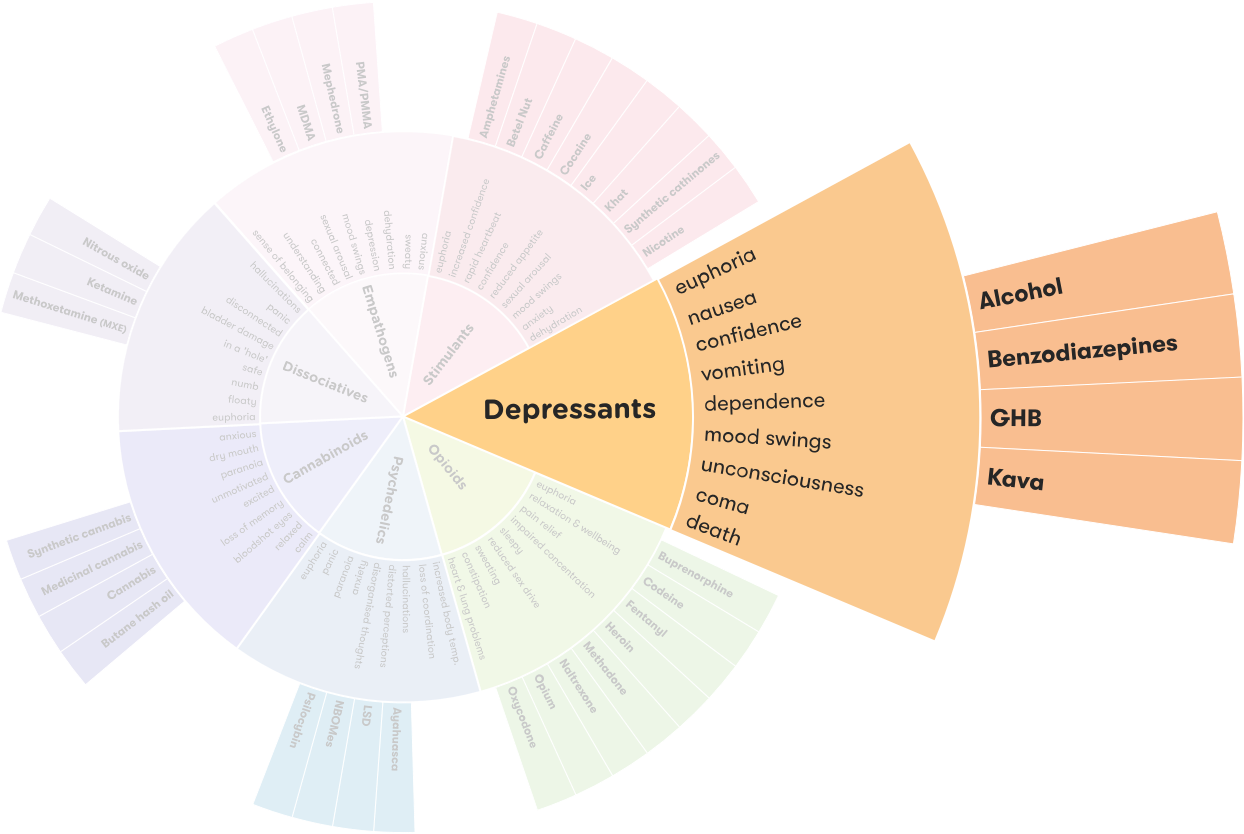
Kava is a depressant drug, which means it slows down the messages travelling between the brain and the body.1 Kava is made from the root or stump of the kava (Piper methysticum) shrub.2
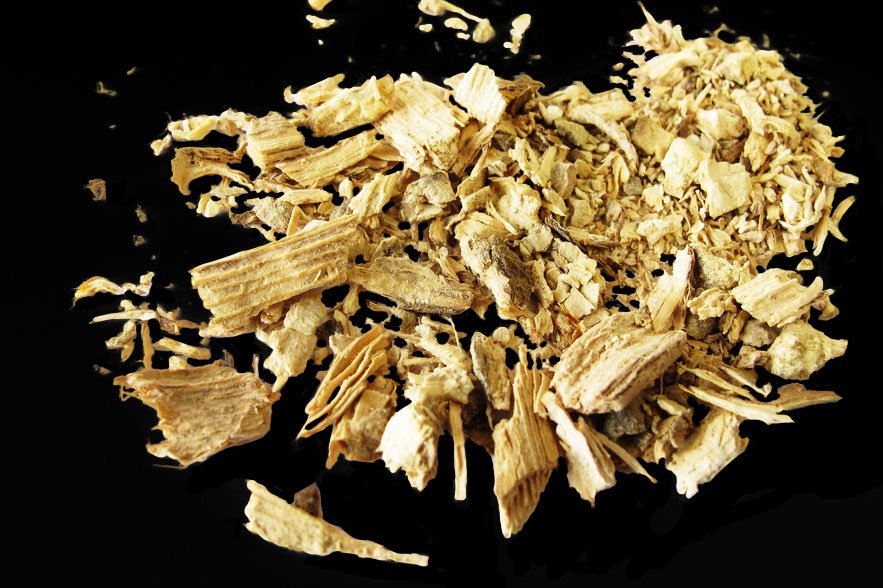
What does Kava look like?
Kava comes in different forms including:
- brownish-coloured drink
- brown powder
- capsules
- extracts
- drops.
Other names
Kava kava, kawa, waka, lewena, yaqona, grog (Fiji), sakau (Pohnpei), ‘awa (Hawaii), ‘ava (Samoa) and wati (New Guinea).3
Other types of depressants
How is kava used?
Pacific Islands
Traditionally, Pacific Islander communities crushed, chewed and ground the root and stump of the shrub, then soaked it in cold water to produce a drink for ceremonies and cultural practices. These rituals were said to strengthen ties among groups, reaffirm status and help people communicate with spirits.2
Many Pacific Islanders who have settled in Australia have continued drinking kava or using kava extracts.4
Aboriginal and Torres Strait Islander peoples
Kava was introduced to the communities in the north of Australia in the 1980s as a substitute for alcohol, to reduce alcohol-related harms in the community. The kava drink is often used for sedative, hypnotic and muscle-relaxant effects, in much the same way that alcohol is used.2
Herbal preparations
Kava extract is used in some herbal preparations which are sold as over-the-counter tablets and preparations to be used in the treatment of insomnia, stress and anxiety.5
Effects of kava
There is no safe level of drug use. Use of any drug always carries some risk. It’s important to be careful when taking any type of drug.
Kava affects everyone differently, based on:
- size, weight and health
- whether the person is used to taking it
- whether other drugs are taken around the same time
- the amount taken
- the strength of the drug (varies from batch to batch)
- the environment (where the drug is taken).
The following effects may be experienced:
- feeling happy and relaxed
- mild sleepiness
- numb mouth and throat
- reduced or loss of appetite.6,7
If a large amount of kava is taken the following effects may also be experienced:
- drowsiness
- nausea
- loss of muscle control
- mild fever
- pupil dilation and red eyes.6,7
Impact of mood and environment
Drugs that affect a person’s mental state (psychoactive drugs) can also have varied effects depending on a person’s mood (often called the ‘set’) or the environment they are in (the ‘setting’):
- Set: a person’s state of mind, previous encounters with drugs, and expectations of what’s going to happen. For example, feelings of stress or anxiety before using kava may result in an unpleasant experience.8
- Setting: the environment in which someone consumes kava – whether it’s known and familiar, who they’re with, if they’re indoors or outdoors, the type of music and light. For example, using kava in a calm, quiet and relaxed environment can lead to, or contribute to, a pleasant experience but being in a noisy, crowded place may result in a negative experience.8
- Being in a good state of mind, with trusted friends and a safe environment before taking kava reduces the risk of having a negative experience.8
Long-term effects
Regular use of large amounts of kava may eventually cause:
- mood swings
- apathy
- dry, scaly skin
- malnutrition and severe weight loss
- getting infections more easily
- shortness of breath.6,7
Manufactured products such as herbal remedies that contain kava extract have been linked to irreversible liver damage. Kava has been shown to cause liver damage when taken in an alcoholic or acetonic extract. For this reason water based extracts of Kava (as a drink or tablet) should not be consumed with alcohol, especially if there is a history of liver damage or disease.6,9
Kava and mental health
Kava has been explored as a treatment for anxiety disorders – with some studies showing positive results for the short-term relief of symptoms. However, there isn’t any strong evidence to suggest it is effective as a long-term treatment and there are concerns around its overall safety.10-12 It is not currently recommended as a medicine or treatment for anxiety disorders.10
Tolerance and Dependence
Evidence suggests it is unlikely that a person will become dependent on Kava. However, ongoing and frequent use of kava that causes harm has been known to occur in certain contexts.13
Mixing kava with other drugs
Mixing kava with other drugs can have unpredictable effects and increase the risk of harm.
- Kava and alcohol: can make you feel more drunk and increase risk of liver damage.13
- Kava and benzos/GHB/opioids: may lead to higher sedation and other symptoms such as may feel clumsy or uncoordinated, slow breathing, nausea and vomiting, memory loss, passing out.14
- Kava and hepatic route drugs/anticoagulants/antiplatelets: Kava changes the way that the liver processes some types of medications and drugs, therefore you should consult with your healthcare provider before taking kava.6
Reducing harm
There are ways in which you can reduce the risks associated with using kava.
- avoid taking kava if you plan to drive or use machinery
- avoid using kava and alcohol together
- children, pregnant and breastfeeding women should not use kava
- do not use kava if you have liver disease
- have regular breaks from kava use
- drink kava in moderation as drinking large quantities may produce dry, itchy, and scaly skin
- kava has the potential to interact with several drugs and medications. Talk with a health professional before use.
Withdrawal
There is no evidence that people who regularly use kava become dependent on the drug, so if you stop taking it, you are unlikely to experience withdrawal symptoms. However, if you have health problems seek medical advice.6
Getting help
If your use of kava is affecting your health, family, relationships, work, school, financial or other life situations, or you’re concerned about a loved one, you can find help and support.
Call the National Alcohol and Other Drug Hotline on 1800 250 015 for free and confidential advice, information and counselling about alcohol and other drugs
Help and Support Services search
Find a service in your local area from our list. Simply add your location or postcode and filter by service type to quickly discover help near you.
If you're looking for other information or support options, send us an email at druginfo@adf.org.au
Path2Help
Not sure what you are looking for? Try our intuitive Path2Help tool and be matched with support information and services tailored to you.
Find out more
The import, advertising and sale of kava in Australia are strictly controlled.
Personal use
Passengers coming into Australia, who are over the age of 18 years, are allowed to bring 4kg of kava without a license or permit, provided it is in their accompanied baggage.15
For use as food
The importation of kava, for food use, is prohibited unless the importer holds a permit issued by the office of Drug Control. A number of regulations must be followed to comply with Imported Food Control Act 1992.15
A permit is required for each shipment. If kava is imported without a permit, it can be seized by Australian Border Force.
A permit has been granted to sell kava drink in selected supermarkets as part of the Australian Government’s Kava pilot. 16
Medical and scientific use
The importation of kava for medical and/or scientific purposes is prohibited unless the importer holds a licence and permit issued by the Office of Drug Control.15
- Brands B, Sproule B, Marshman J. Drugs and Drug Abuse. Toronto: addiction Research Foundation; 1998 [22.02.2023].
- Thomson N Urquhart B. Review of the misuse of kava among Indigenous people. Mt Lawley, Western Australia, Australia: Australian Indigenous HealthInfoNet, Kurongkurl Katitjin: Centre for Indigenous Australian Education and Research, Edith Cowan University; 2009 [15.09.2023].
- National Centre for Complementary and Integrative Health. Kava 2016 [15.09.2023].
- Lee K, Freeburn B, Ella S, Miller W, Perry J & Conigrave K. Handbook for Aboriginal Alcohol and Drug Work. 2012 [15.09.2023].
- Currie B & Clough A. Kava hepatotoxicity with Western herbal products: does it occur with traditional kava use? Medical Journal of Australia [Internet]. 2003 [15.09.2023]; 178(9).
- Ramzan I. Phytotherapies: Efficacy, Safety, and Regulation. New Jersey: John Wiley & Son; 2015 [15.09.2023].
- Positive Choices. Kava: Factsheet [15.09.2023].
- Nutt D. Drugs without the hot air : making sense of legal and illegal drugs. Cambridge: UIT Cambridge Ltd; 2012 [10.10.2023].
- Territory Health Services Public Health Strategy Unit. The Public Health Bush Book 2005 16.11.2020].
- Reavley N, Jorm AF, Wright J, Morgan AJ, Bassilios B, Hopwood M et al. A guide to what works for anxiety: BeyondBlue; 2019 [10.10.2023].
- Smith K, Leiras C. The effectiveness and safety of Kava Kava for treating anxiety symptoms: A systematic review and analysis of randomized clinical trials. Complementary Therapies in Clinical Practice [Internet]. 2018 [10.10.2023]; 33:[107-17 pp.].
- Sarris J, Byrne GJ, Bousman CA, Cribb L, Savage KM, Holmes O, et al. Kava for generalised anxiety disorder: A 16-week double-blind, randomised, placebo-controlled study. Australian & New Zealand Journal of Psychiatry [Internet]. 2019 [11.10.2023]; 54(3):[288-97 pp.].
- NSW Ministry of Health. Kava: the facts: NSW Government; 2022 [10.10.2023].
- PsychonautWiki. Kava 2023 [10.10.2023].
- Office of Drug Control. Kava [11.10.20].
- Seymour J. Fiji Kava’s (ASX:FIJ)Drinking Kava to hit Coles shelves nationally 2022 [11.10.2023].
Explore depressants on the Drug Wheel