GHB
Last published: November 23, 2023
What is GHB?
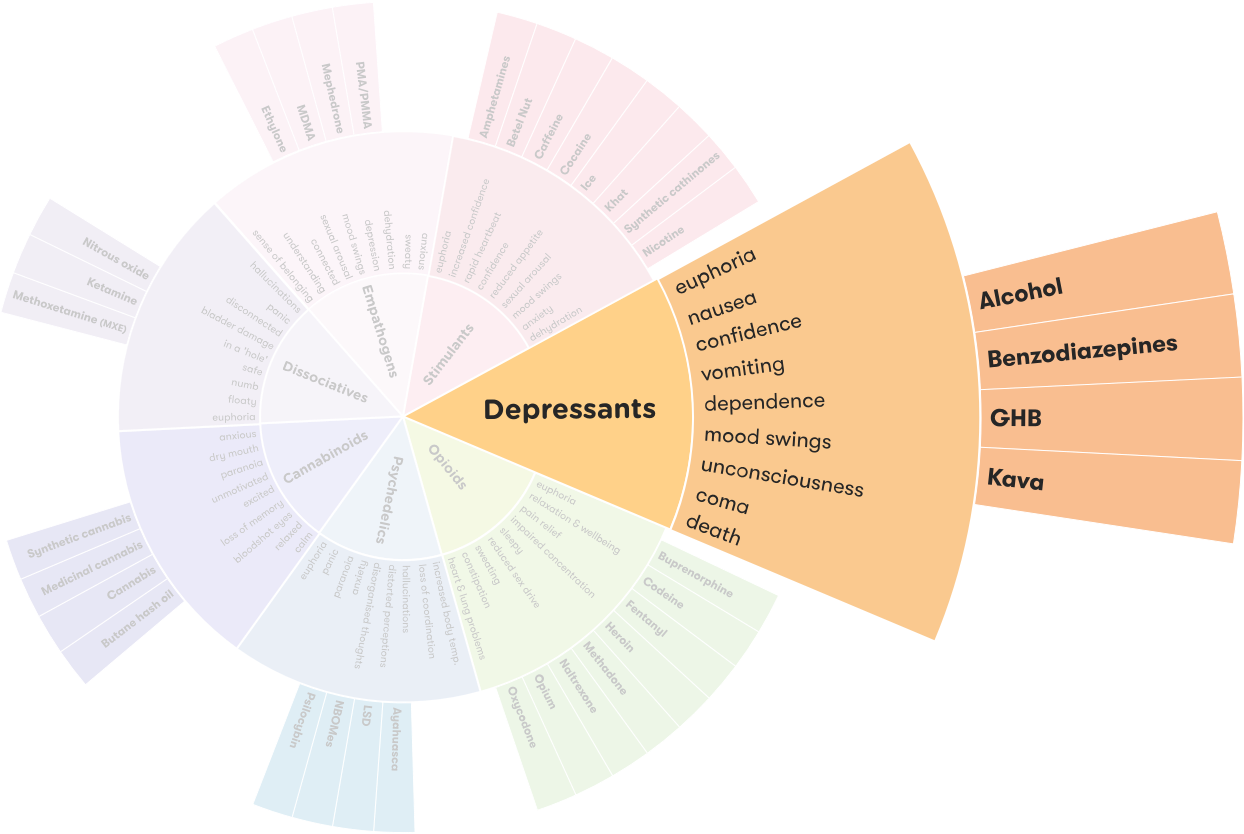
GHB (gamma hydroxybutyrate) is a depressant drug, which means it slows down messages travelling between the brain and body.
GBL (gamma butyrolactone) and 1,4-BD (1,4-butanediol) are chemicals that are closely related to GHB. Once GBL or 1,4-BD enter the body, they convert to GHB almost immediately.1
What does GHB/GBL look like?
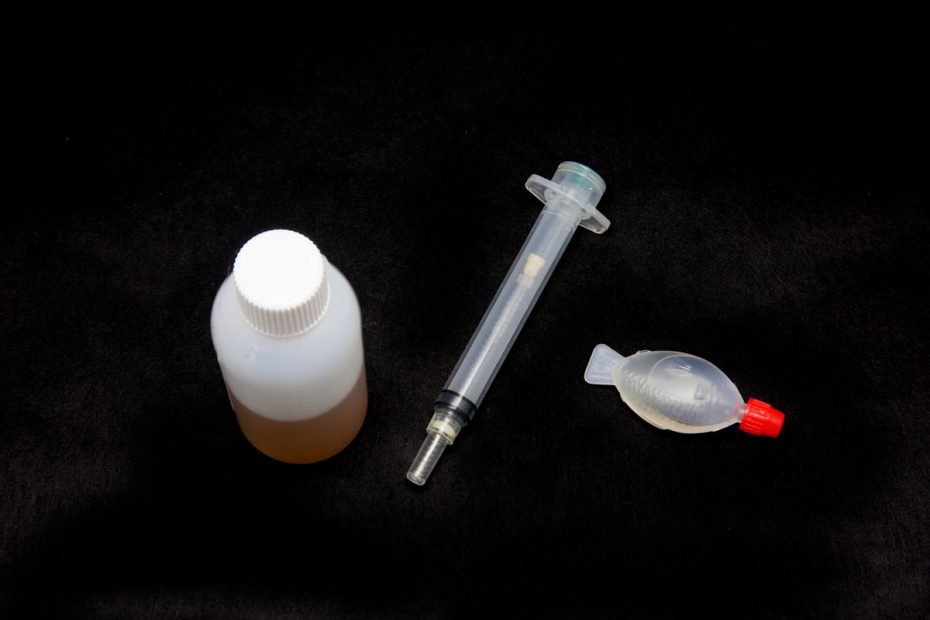
GHB/GBL usually comes as a colourless, odourless, bitter or salty liquid, often sold in small bottles or vials. It can also come as a bright blue liquid known as ‘blue nitro’, and less commonly as a crystal powder.2
Other names
G, fantasy, grievous bodily harm (GBH), juice, liquid ecstasy, liquid E, liquid X, Georgia Home Boy, soap, scoop, cherry meth, blue nitro, fishies.
Other types of depressants
How is it used?
GHB/GBL is usually swallowed, but sometimes it’s injected or inserted anally.3
Effects of GHB/GBL
There is no safe level of drug use. Use of any drug always carries some risk. It’s important to be careful when taking any type of drug.
GHB/GBL affects everyone differently, based on:
- the amount taken
- the strength of the drug (varies from batch to batch)
- size, weight and health
- whether the person is used to taking it
- whether other drugs are taken around the same time.
The following effects may begin within 15 to 20 minutes of taking GHB/GBL and may last around three to four hours:
- feelings of euphoria
- increased sex drive
- lowered inhibitions
- drowsiness
- tremors
- nausea
- diarrhoea.2
The chemical composition of GHB/GBL can vary a lot and it’s very easy to take too much. The difference between the amount needed to get high and the amount that causes an overdose can be
hard to judge. Being under the influence of GHB/GBL increases the risk of injury due to confusion, dizziness, or abrupt loss of consciousness. 4
Overdose
If the dose is too high, you might overdose. Call an ambulance straight away by dialling triple zero (000) if you or someone else has any of these symptoms (ambulance officers don’t need to involve the police):
- vomiting
- irregular or shallow breathing
- confusion, irritation and agitation
- hallucinations
- blackouts and memory loss
- unconsciousness that can last for three to four hours
- death.2
Long-term effects
There is limited information about the impact of long-term GHB/GBL use on people's health. While the main long-term risk is dependence, other reported long-term effects include:
- severe memory problems
- heart disease
- hallucinations
- extreme anxiety
- breathing problems.4,5
Using GHB/GBL with other drugs
Mixing GHB/GBL with other drugs can have unpredictable effects and increase the risk of harm.
- GHB/GBL and MDMA/methamphetamine: risk of heart strain and respiratory arrest.
- GHB/GBL and nitrous oxide (nangs): can cause impaired coordination, memory loss, passing out.
- GHB/GBL and opioids/ketamine/benzodiazepines: can cause difficulty breathing, passing out, and possible death.6-8
Using GHB/GBL to help with the symptoms of the come down after using stimulants can lead to a dependence on both drugs.
‘Polydrug use’ is a term for the use of more than one drug or type of drug at the same time or one after another.9 Polydrug use can involve both illicit drugs and legal substances, such as alcohol and medications. Find out more about polydrug use.
Reducing harm
There are ways in which you can reduce the risks associated with using GHB/GBL:
- Use somewhere safe and around people you trust
- Always test a small amount first
- Wait for the effects to wear off before taking more
- Avoid mixing with other drugs especially alcohol and opioids
- Only use short term as dependence can develop rapidly
- If injecting, use a new needle and sterile injecting equipment
- Avoid driving or operating machinery.6-8
Withdrawal
Giving up GHB/GBL after using it for a long time is challenging because the body has to get used to functioning without it. This is why it’s important to speak to a health professional when planning to stop using GHB/GBL.
Withdrawal symptoms usually start about 6-72 hours after the last dose and can continue for about 5-15 days. These symptoms can include:
- confusion and agitation
- anxiety and panic
- rapid heart rate
- tremor
- vomiting
- paranoia
- visual and auditory hallucinations
- delirium.7,2
Sudden withdrawal from high doses can result in seizures, slow heart rate, cardiac arrest and renal failure.4
Getting help
If your use of GHB/ GBL is affecting your health, family, relationships, work, school, financial or other life situations, or you’re concerned about a loved one, you can find help and support.
Call the National Alcohol and Other Drug Hotline on 1800 250 015 for free and confidential advice, information and counselling about alcohol and other drugs
Help and Support Services search
Find a service in your local area from our list. Simply add your location or postcode and filter by service type to quickly discover help near you.
If you're looking for other information or support options, send us an email at druginfo@adf.org.au
Path2Help
Not sure what you are looking for? Try our intuitive Path2Help tool and be matched with support information and services tailored to you.
Find out more
- Recent use of GHB by people aged 14 or older is very low. Only .01% of people had used GHB in the last 12 months, and 1.0% of Australians have used GHB over their lifetime.
- Australians first try GHB in their mid-twenties.10
Federal and state laws provide penalties for possessing, using, making or selling GHB/GBL, or driving under the influence.
- Julien R Advokat C & Comaty J. A primer of drug action. New York: Worth Publishing; 2011. 2. DrugWise. GHB/GBL: DrugWise; 2017
- Hillebrand J Olszewski D & Sedefov R. GHB and its precusor GBL: An emerging trend case study. EMCDDA; 2008.
- Darke S, Lappin, J. & Farrell, M. The Clinician's Guide to Illicit Drugs. United Kingdom: Silverback Publishing 2019 [17.11.2020].
- Government of Canada. GHB: Canada.ca; 2020
- Psychonaut Wiki. GHB 2022 [cited: 08.12.2022].
- Hi-Ground.GHB n.d. [cited: 08.12.2022].
- Harm Reduction Victoria. GHB n.d. [cited: 08.12.2022].
- World Health Organisation. Lexicon of Alcohol and Drug Terms. World Health Organisation; 1994.
- Australian Institute of Health and Welfare. National Drug Strategy Household Survey 2019. Canberra: AIHW; 2020.
Explore depressants on the Drug Wheel